
The use of biodiversity sensitive urban design is an important feature of The Cape estate. Extensive areas of the property have been set aside to re-establish native fauna and indigenous flora habitat to co-exist with housing and community infrastructure.
You can contribute to improving our natural environment through actions such as building an animal friendly home garden, behaving appropriately to protect our native animals and plants, and taking part in various citizen science and re-wilding projects.
To help with creating a garden that is not only fit for the challenging conditions at The Cape, but also beautiful and attractive to wildlife, you can refer to the planting list here (PDF 270k) (to be used in conjunction with the plant list contained in the Design Guidelines).
If you want to learn more about the natural world of The Cape, there is a fantastic resource available at https://capechatter.com/ which is recording observations and photographing The Cape’s natural world as it evolves.
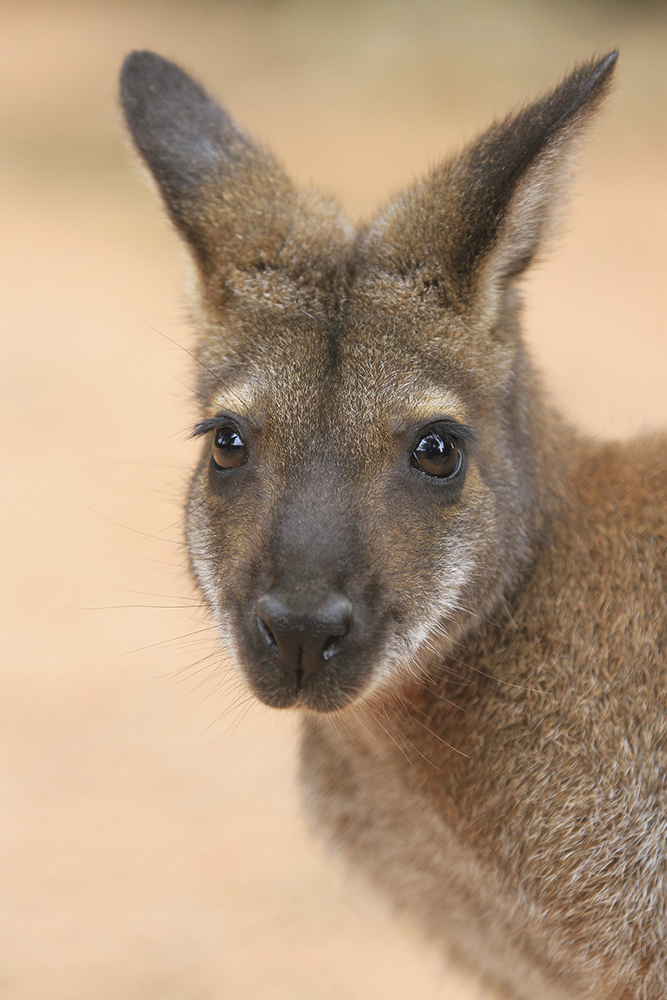
Coexisting with our wildlife
We are very lucky to have so many animals still here at The Cape. We might need to learn some new skills and behaviours to ensure that we all can live happily together.
One of the more vulnerable of our local species is the Hooded Plover (Thinornis rubricollis), which can be seen during the breeding season trying to raise their little families along our beaches. Their attempts often fail, but the next breeding season may be more successful due to a generous donation made by The Cape to Birdlife Australia’s Hooded Plover conservation program.
Read more about the Hooded Plover donation and conservation program here. (PDF 325kB)
We have developed some simple guides to help us understand what to do if we find an injured or sick animal.
Biodiversity and rewilding projects
You probably know already that this was once degraded farmland. And look at it now. The work continues though, to regain the natural biodiversity of the area and there are a number of rewilding projects that you can follow or join in with.
Koalition – a group which is using a “mini-forest” technique of planting to help bring back the endemic and other natives to the area, which in turn brings back the insects and other fauna.
Natural World – this group is looking at ways to help us all understand where we live and minimise our impacts on the natural world which attracted us here in the first place.
Explore the information about biodiversity and rewilding projects.
Feral animals, weeds and rubbish
How can we do even more to help our local flora, fauna and habitat thrive?
Can you tell a desirable species from a weed? What even is a weed? How can we bring pollinators and other beneficial insects to our gardens? Are there environmental ways of disposing of things we no longer want or need?
There are just so many questions and we will develop answers for them over time…which we will place right here for you.
There are a number of things you can do to help with feral animal control here at The Cape. Explore the information about who you should tell if you see a feral animal on our development.
In the meantime, our local council, the Bass Coast Shire has a wealth of information regarding:
Explore the information about Feral animals, weeds and rubbish.
 Our Cape Life