
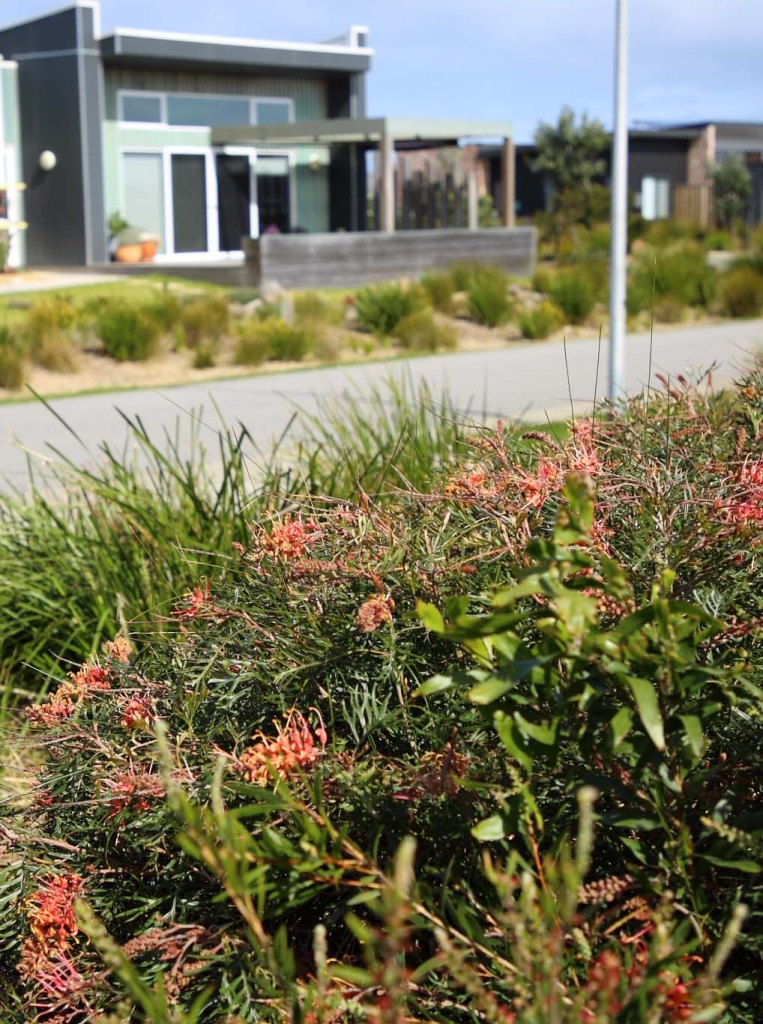
Did you know that your home garden is a vital piece of the habitat structure in the renewal of The Cape from degraded farmland to a sustainable housing estate? The Cape’s landscape design provides habitat for native fauna, starting with your home garden and branching outward to the surrounding streetscapes, swales, drains, creeklines, wetlands, retained natural habitat, and Yallock-Bulluk Marine and Coastal Park.
To create a garden that is both beautiful, attractive to wildlife and suited to the challenging conditions of The Cape, please refer to the Design Review Panel’s (DRP) Cape Residents Planting Guide.
The Cape Planting List (PDF 270KB) can be used in conjunction with the DRP planting list as it contains helpful guidance as to which plants have proven they can cope with the sometimes tricky conditions.
Weeds and Rubbish
If you’re not sure if something is a weed, check out the Bass Coast Shire’s Weed & Pests. Our local council, the Bass Coast Shire also has a wealth of information regarding:
Coexisting with wildlife
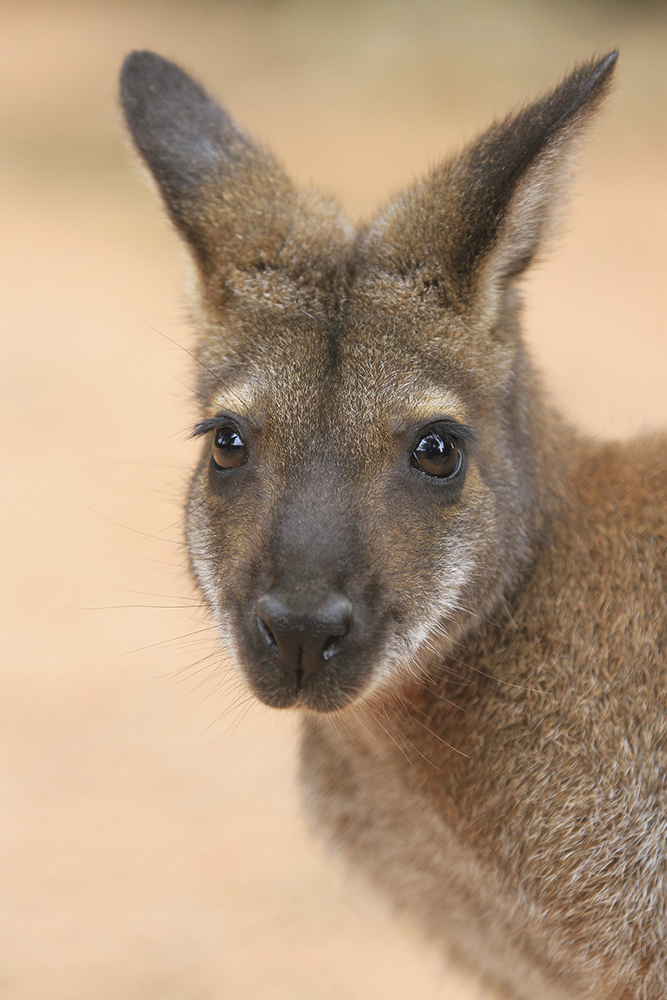
The Cape is a Land for Wildlife property. Land for Wildlife is a voluntary wildlife conservation program which recognises private landowners who are managing and or restoring habitat for wildlife on their property. We are very lucky to have so many animals living with us at The Cape, but we may need to learn new behaviours to ensure that we can live happily together.
We have developed some resources to help us live in harmony with wildlife at The Cape:
- Coexisting with wildlife – what to do if you encounter dead or injured wildlife, wildlife crossing roads, or swooping birds.
- Domestic cats are strictly prohibited at The Cape. This rule is firmly enforced in the estate’s design guidelines to protect the local wildlife, particularly the large numbers of native parrots, coastal bird species, and small mammals that inhabit the area. Nevertheless, we still have a problem with feral animals, including cats and foxes. There are a number of things you can do to help to control Feral animals.
- To learn more about the natural world of The Cape, visit the wonderful Cape Chatter blog by David Hartney, which documented the evolution of The Cape’s natural world from 2020 – 2025.
- One of the more vulnerable of our local species is the Hooded Plover (Thinornis rubricollis), which can be seen during the breeding season trying to raise their chicks along our beaches. Read more about the Hooded Plover donation and conservation program.
Roads, walkways and parking
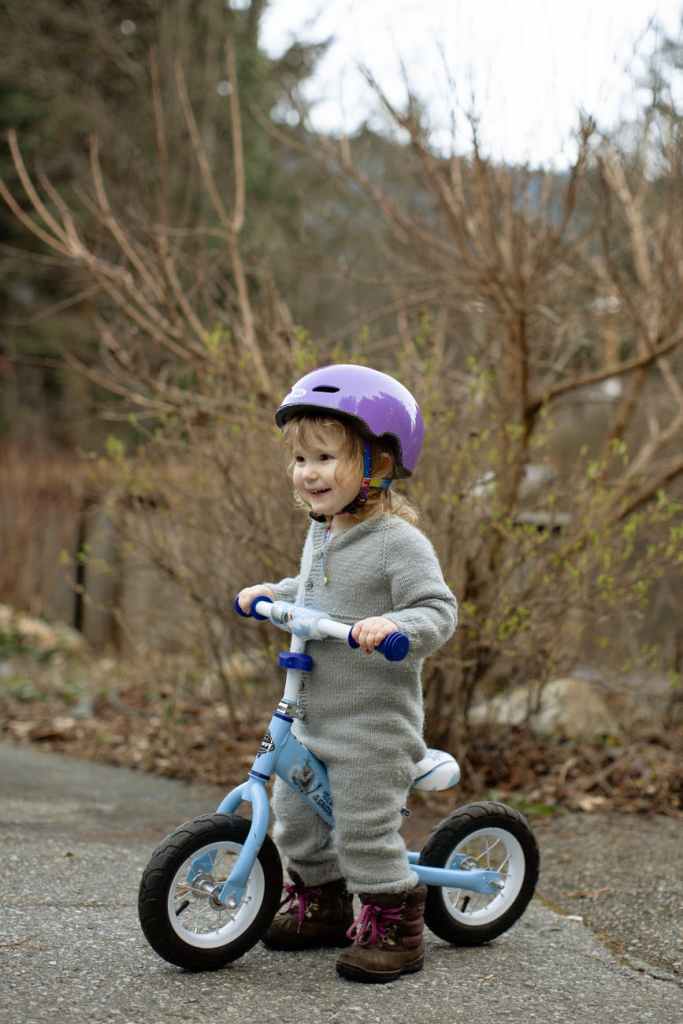
The winding tracks around The Cape are great for cycling, but you never know who or what you will meet when you’re freewheeling around a bend. There are signs at road crossings and you should always slow down at these points and remind your kids about road safety. Please be mindful that cyclists, pedestrians and wildlife share these tracks. If you come across our mob of kangaroos please don’t get too close or disturb them. It is not difficult to turn off the track, cross some grass and skirt around them. The presence of kangaroos, and their acceptance of us, is one of the things we value.
Visitors at The Cape are very welcome, however you are encouraged to use the car park in Sunlight Boulevard. When parking, please take care not to damage to the street plantings, create blind spots to other road users, or block residents’ driveways.
The signed speed limit of streets within The Cape is 40kmh.
Off-leash dog park
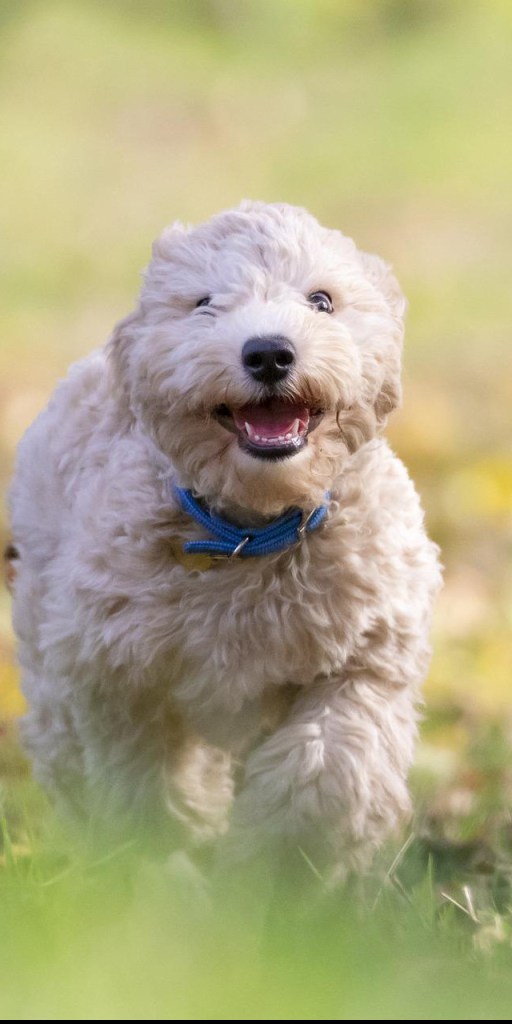
Dogs are most welcome at The Cape but they must be kept on a leash when outside your property and please always clean up after them.
There is a world of joy awaiting dogs at our fenced off-leash dog park located in the south eastern corner of the estate. Your dogs will enjoy meeting their buds here; experiencing the world though their noses; chasing a ball or 200; or running through the obstacles and ephemeral ponds.
Please remember though, some smaller creatures also gain access to the dog park. Echidnas and snakes have been seen in the vicinity, so always keep a close eye on your dog – for their sake and for the sake of the wildlife.
 Our Cape Life